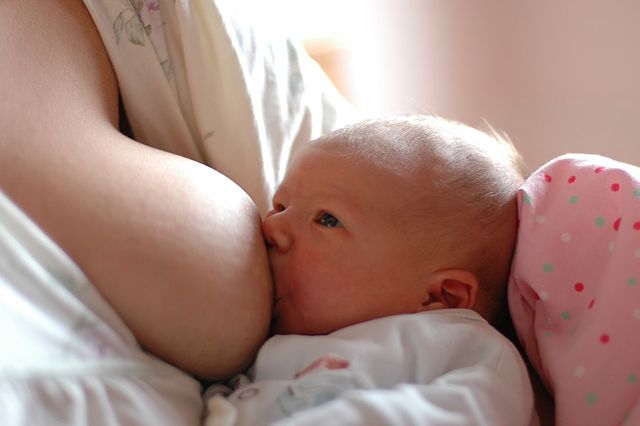
No other milk comes close to the milk that has been created and designed to suit a baby’s needs as human milk does. A mother’s milk has every vitamin, mineral and all the nutrients a baby’s body needs. Not only this, but living cells that are unique to human milk restrain the growth of harmful bacteria and viruses protecting in this way, the baby’s still-maturing system. It is therefore, the most wonderful gift a mother can give to her baby.
According to the World Health Organization, breastfeeding is the normal way of providing young infants with the nutrients they need for healthy growth and development. The WHO also recommends that babies are exclusively breastfed for the first six months of age, with continued breastfeeding along with appropriate complementary foods up to two years of age or beyond. The benefits of breastfeeding extend well beyond basic nutrition and are numerous, both for the baby and the mother.
For instance, breastfeeding lowers your baby’s risk of having asthma or allergies. Also, babies who are breastfed exclusively for the first 6 months, without any formula, have fewer ear infections, respiratory illnesses and gastrointestinal infections like diarrhea, which can be devastating, especially in developing countries. According to infant-nutrition expert Ruth A. Lawrence, M.D., a professor of pediatrics, the incidences of pneumonia, colds and viruses are reduced among breastfed babies too. Breastfeeding lowers your baby’s risk of sudden infant death syndrome by about half. Breastfeeding can also decrease your baby’s risk of some childhood cancers.
The list goes on and on, and benefits for the mother are equally numerous. A mother who breastfeeds her babies, reduces her risk of developing chronic conditions, such as type I diabetes, celiac disease and Crohn’s disease. Faster postpartum healing is also another benefit as the oxytocin released when your baby nurses helps your uterus contract, reducing postpartum blood loss. Plus, breastfeeding will help your uterus return to its normal size more quickly, about six weeks postpartum compared with 10 weeks if you don’t breastfeed. A nursing mom will have a lower risk of premenopausal breast cancer and ovarian cancer, an often deadly disease that is on the rise.
This is why, unless there is a medical condition or a physical impediment, a mother should make every effort to breastfeed her baby. It is an effort well worth making that will bring a very special and rewarding experience to the mother that she will never regret.
Breastfeeding should be initiated right after birth. Getting started during the first hour after birth is of the utmost importance, because the baby is no longer protected as he was inside his mother’s womb. He needs immediate protection against harmful bacteria and germs. Colostrum, which is the first yellowish, sticky milk produced by the mother by the end of pregnancy and during the first couple of days after birth, can give the baby the protection he needs. Not only does it immunize his body, it also helps that newborn’s body to adapt to a world of germs he is suddenly exposed to. Your breast milk will morph throughout time to meet your baby’s changing needs. During the first hour, the newborn is very active and alert, and he also has a very strong sucking reflex that helps the uterus contract. This is one more reason why breastfeeding should be initiated right after birth.
In the end, the best thing you can do is trust that mother nature have given you all that is necessary to take care of your baby.
 Daysi Doula | Certified Birth Doula