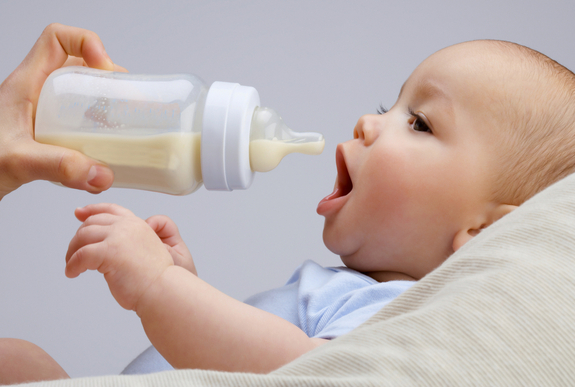
The time has come to start fulfilling my promise. The promise I made to myself to raise awareness about the risks of using formula feeding and the importance of breastfeeding. About two months ago, I attended a breastfeeding conference. It was a very powerful learning experience. I learned about the risks of formula feeding. I then, made a promise to myself to spread out the word and reach out to those mothers who want to breastfeed their babies. Unfortunately, they have been misled to believe that formula can somehow offer the same benefits that her breast milk does. That is incorrect. Please check the following study: “Higher versus lower protein intake in formula-fed low birth weight infants.” The study shows that controlling the amount of protein given to low birth weight babies (less than 2.5 Kg) fed with formula is important because too much protein can raise blood urea and amino acid levels, which may harm neurodevelopment. On the other hand, too low protein intake may limit the growth of these infants. https://www.nichd.nih.gov/cochrane_data/premjis_02/premjis_02.html
I respect the decision every mother takes about the way in which she wants to feed her baby. However, my goal is to provide new mothers with enough information, so they can make an informed decision. Before giving up on breastfeeding, supplementing with formula or switching to it, make sure you have read and tried everything and therefore have been left with no other choice but to formula feed.
Furthermore, in the first few months, it is hard for the baby’s gut to absorb anything other than breastmilk. Even one feeding of formula or other foods can cause injuries to the gut, taking weeks for the baby to recover. So what is it on formula that causes a baby’s gut to be upset?
Do you know what formula is made of? Do you know the ingredients in it?
• Partially hydrolized whey protein, (or skim milk powder, or soy protein isolate), lactose, corn syrup, corn maltodextrose, palm olein, soybean oil, coconut oil, safflower oil, minerals, vitamins.
• Optional ingredients: various amino acids, nucleotides, lactobacilli (probiotics), galacto-and fructo-oligosaccharides (prebiotics). Long chain polyunsaturated fatty acids-DHA and ARA, rice starch.
Now, would you give a baby all the above ingredients when there is a superior food that can offer him not only everything he needs to get the healthiest start in life, but a food that would not cause any harm to his stomach?
So, is formula a good substitute for breastmilk? Is it a good idea to give your baby all of the above ingredients? According to UNICEF formula is not an acceptable substitute for breastmilk because formula, at its best, only replaces most of the nutritional components of breast milk: it is just a food, whereas breast milk is a complex living nutritional fluid containing anti-bodies, enzymes, long chain fatty acids and hormones, many of which simply cannot be included in formula.
Is mixed feeding, or giving other liquids and/or foods together with breast milk, especially to infants under 6 months old? Is this also a good idea? According to studies, this practice poses risks to an infant’s health because it can increase the chance of diarrhea and other infectious diseases. Plus mixed feeding, especially giving water or other liquids can also causes the supply of breast milk to decrease as the baby sucks less at the breast. Breast milk contains all the water a baby needs, even in very hot climates, so there is no need to give the baby anything other than breastmilk for the first 6 months.
I hope I have provided you with some useful information. I hope you will make the right choice when it comes to deciding how to nurse your baby. My goal is not to enforce a philosophy rather to contribute to gain back a lost art: “the beautiful art of breastfeeding.”

 Daysi Doula | Certified Birth Doula